Dentures in Kothrud, Pune
A Beautiful Smile Begins with the Perfect Fit
Designed and fitted by Dr. Sahil Wathodkar, Prosthodontist — for a bite that feels natural, a fit that lasts, and a smile that doesn't look like "false teeth".
About Dentures in Kothrud
At Aesthedent, every case begins with a clinical evaluation of your jaw ridge, muscle attachments, and remaining natural teeth (if any) before we decide which type of denture is right for you.
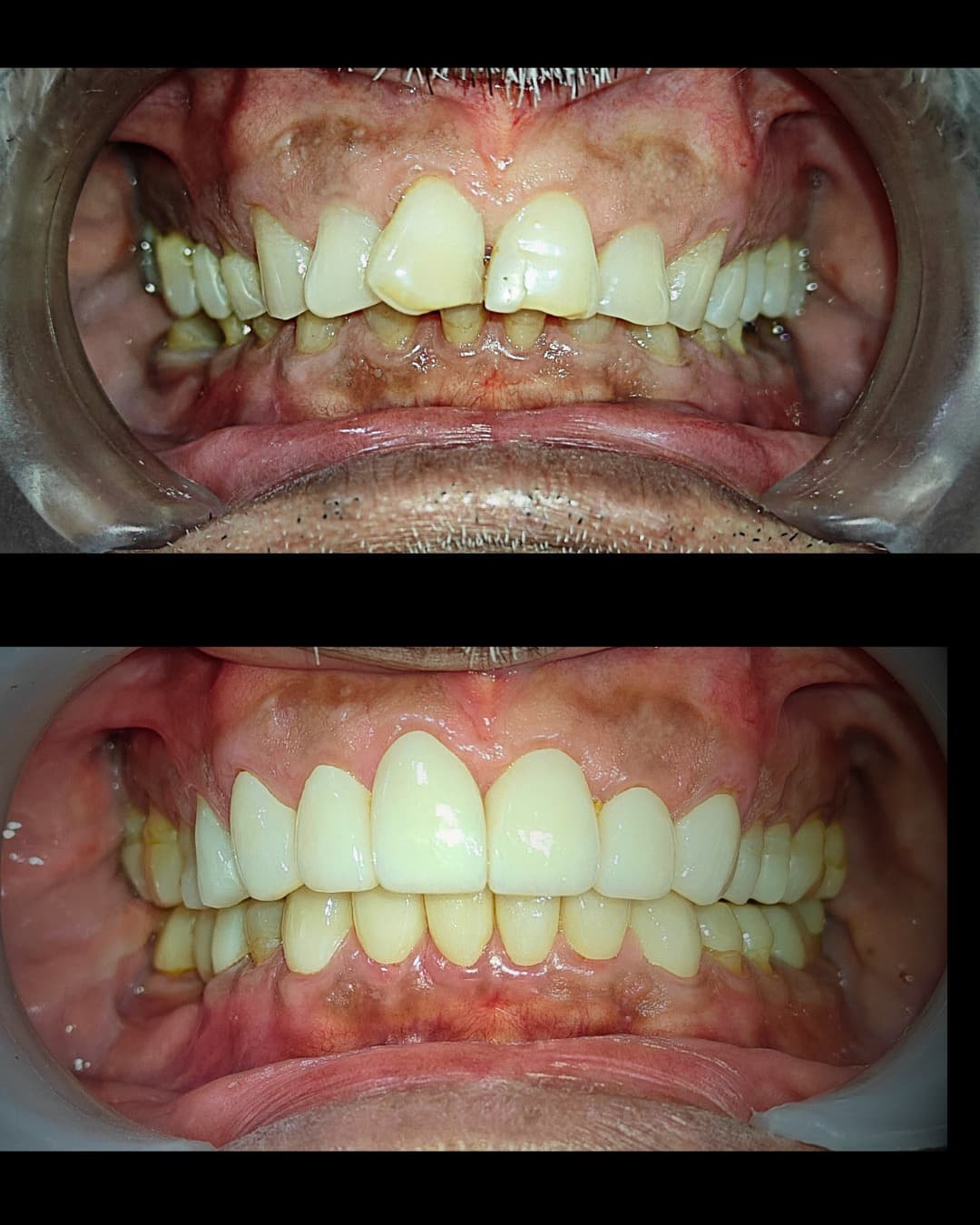
Standard dentures often look like "false teeth" and lack stability — a common complaint we hear from patients who've been fitted elsewhere. Our approach corrects this at the design stage: a natural gum-shade match, anatomically accurate tooth arrangement, and a bite registration process using a facial bow that restores your youthful facial contours rather than just filling a gap.
Whether you need a single-arch complete denture, a cast metal partial, or a flexible partial, the treatment is planned and reviewed personally by Dr. Sahil Wathodkar, BDS, MDS (Prosthodontics), Bharati Vidyapeeth, Pune, from impression to final fit.
Many of our denture patients come from Deccan and Erandwane, and several are brought by family. Bring whoever you want to the appointments, particularly the try-in — a second opinion on how the teeth look is genuinely useful.
The types of denture we work with
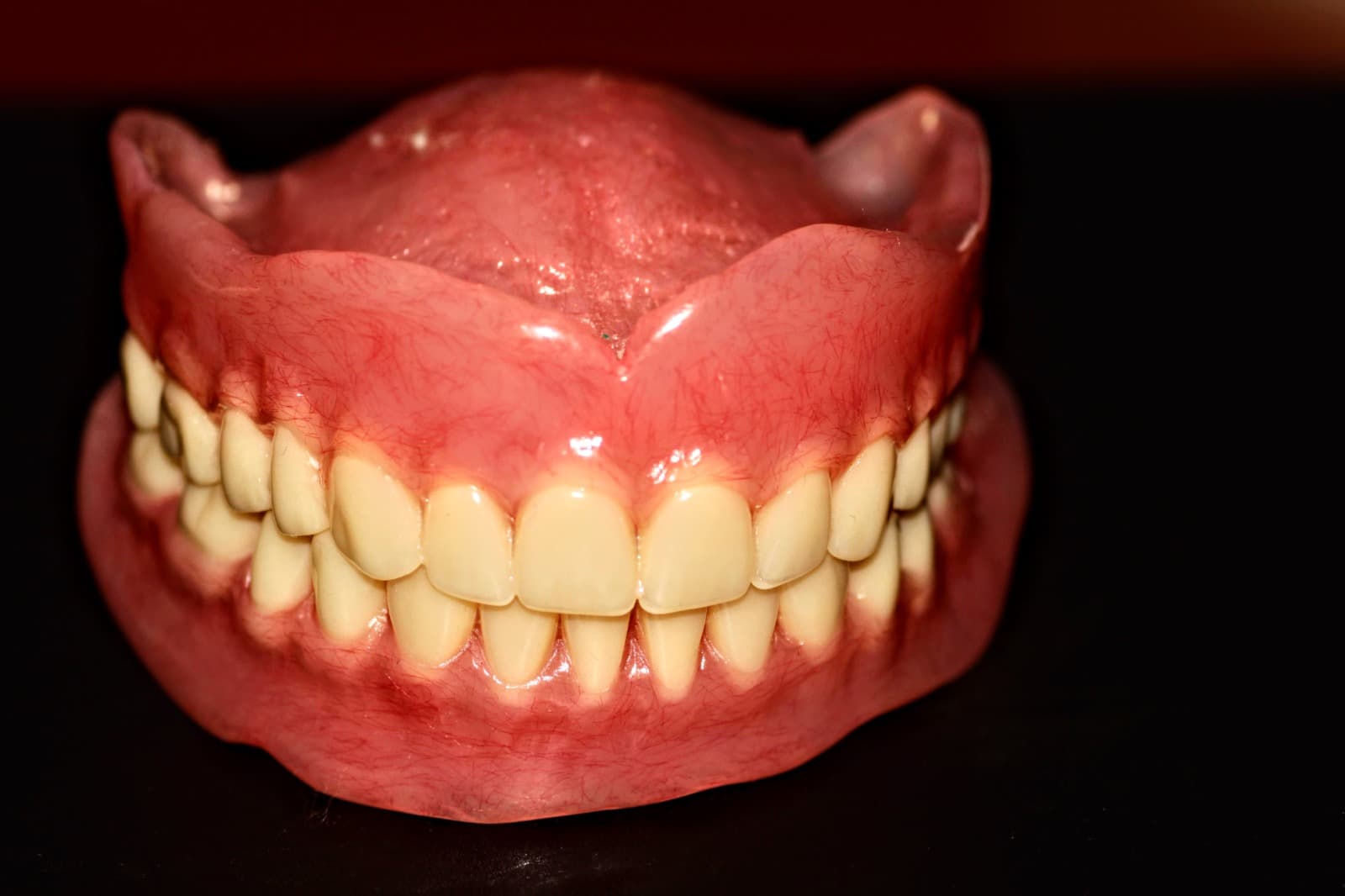
Complete dentures
For patients who have lost all natural teeth in an arch, built using a protocol that records your muscle movements and bite dynamics with far greater accuracy than conventional dentures.
Cast metal partial dentures
The gold standard for patients retaining some natural teeth. The cast metal framework distributes chewing force more evenly, fits with greater precision, and is significantly more durable and hygienic than acrylic-only alternatives.
Flexible partial dentures
A metal-free, flexible-resin option for patients who want a lighter, more comfortable partial denture, with clasps that blend naturally into the gumline — ideal for a more discreet, aesthetic solution.
What dentures does for you
- Records capture how your mouth moves, not just its shape at rest
- Facial-bow bite registration, so upper and lower meet as they should
- Natural gum-shade match and anatomically accurate tooth arrangement
- Restores the lip and cheek support that is lost when teeth go
- A wax try-in you see, speak with and approve before the set is finished
- Planned and reviewed personally by an MDS-qualified prosthodontist
Why patients choose us for this treatment
Corrected at the design stage
"Looks like false teeth" is a design failure, not an inevitability. Shade, length and arrangement are chosen against your face and your age before anything is processed.
Bite registration with a facial bow
This is what restores facial contour rather than simply filling a gap — and it is the step most often skipped when a denture ends up rocking or ageing the face.
The right type for your ridge
Complete, cast metal partial or flexible partial. The choice follows an evaluation of your jaw ridge, muscle attachments and remaining teeth, not a house preference.
Adjustments are part of the plan
You cannot tell how a denture behaves until you have chewed with it. Sore spots should be adjusted, not endured, and those visits are expected rather than a sign of a problem.
What to expect, step by step
Evaluate the ridge and remaining teeth
Jaw ridge, muscle attachments and any natural teeth you still have — this is what determines which type of denture is right for you.
Precision impressions
Records that capture muscle movement and bite dynamics, not just the resting shape of the mouth. This stage decides whether the finished denture holds.
Bite registration with a facial bow
Your bite is related to your jaw joints so the upper and lower sets meet correctly and facial height is restored properly.
The wax try-in — your decision
Teeth set in wax for you to see and speak with. Too long, too white, not like you? Say so now, while changing it costs nothing.
Processing and final fit
The approved arrangement is processed into the finished denture and fitted, with the occlusion checked at delivery.
Review and adjustment
A short series of adjustment visits once you have eaten with them, because that is the only way to find the pressure spots.
Common questions
Will they look like false teeth?
That depends on how the teeth are set, which is why there is a try-in stage. Shade, length and arrangement are all chosen against your face and your age, and you see them in wax and approve them before the final set is made.
How long does the whole process take?
Usually four to five appointments spread over a few weeks. The records and the try-in are what take the time, and rushing them is what produces dentures that do not fit.
Will I be able to eat normally?
You will manage a much wider diet than without them, but a denture is not the same as natural teeth - expect to start with softer food and build up, and expect the first couple of weeks to feel strange. Lower dentures are harder to stabilise than upper ones, which is worth knowing in advance.
Will they affect my speech?
For a short while, yes. Most people find certain sounds awkward for the first week or two and then stop noticing. Reading aloud at home speeds it up considerably.
What is the difference between a full and a partial denture?
A full denture replaces all the teeth in a jaw and is held by suction and muscle control. A partial replaces some of them and is supported by the teeth that remain - so it has to be designed carefully to avoid overloading them.
Can implants make a loose lower denture stable?
Often, yes. A small number of implants can be used to secure a lower denture, which is the arrangement most people find transformative because lower dentures are the ones that tend to move. Whether it suits you depends on the bone available, which the scan shows.
Do they need adjusting after fitting?
Almost always. You cannot tell how a denture behaves until you have chewed with it, so a couple of adjustment visits are part of the normal process rather than a sign of a problem. Sore spots should be adjusted, not endured.
How do I look after them?
Clean them over a basin of water so they survive being dropped, brush them daily with a denture brush rather than toothpaste, and leave them out overnight so the tissues underneath recover. Bring them to your reviews.