Wisdom Tooth Removal in Kothrud, Pune
Relief from Wisdom Tooth Pain Starts Here
Comfortable, minimally invasive wisdom tooth removal in Kothrud, Pune, using modern surgical techniques and a clear plan you see before we begin.
About Wisdom Tooth Removal in Kothrud
Wisdom teeth — the last molars to emerge, usually between ages 17 and 25 — often don't have enough room to grow in properly. They can become impacted, angled, or push against neighbouring teeth, making this one of the most common reasons patients visit us at Aesthedent.
Left untreated, an impacted wisdom tooth can lead to recurrent infections, cyst formation, bone loss, or damage to adjacent teeth. Persistent jaw pain, swelling, or difficulty opening the mouth are common warning signs.
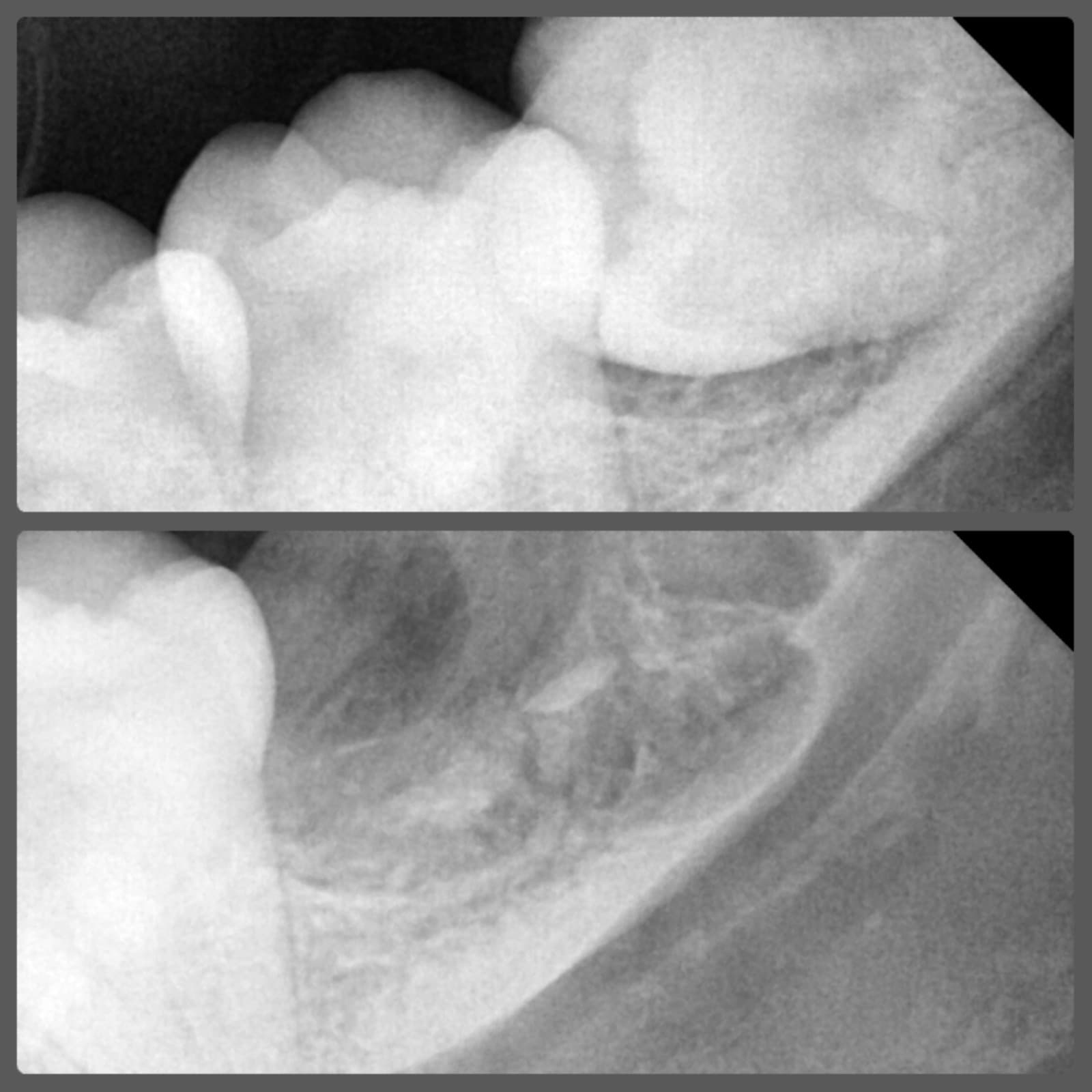
At Aesthedent, every extraction begins with a detailed clinical evaluation, including digital X-rays to assess the tooth's exact position, root structure, and proximity to nerves — this allows us to plan the safest and least invasive approach for your specific case. The procedure itself is performed under local anaesthesia, so you remain comfortable throughout.
Our approach favours minimally invasive surgical techniques wherever possible, which typically means less swelling, a shorter recovery, and fewer post-operative complications. Before you leave, you'll receive clear, personalised aftercare instructions — covering pain management, diet, and warning signs to watch for — so your recovery stays on track.
Not every wisdom tooth needs removing: one that has erupted cleanly, bites against its opposite number and can be brushed is best left alone. Most of these patients come from nearby — Karve Nagar and Warje mainly — since a short trip home matters more on this one than on anything else we do.
What wisdom tooth removal does for you
- Stops the cycle of recurrent infection, swelling and jaw pain
- Prevents damage to the healthy molar in front and to the surrounding bone
- Digital X-rays map root structure and nerve proximity before anything begins
- Minimally invasive technique where possible, meaning less swelling and shorter recovery
- Performed under local anaesthesia, in the practice
- Personalised written aftercare, not instructions given while you are still numb
Why patients choose us for this treatment
The X-ray decides, and you see it
Position, root structure and proximity to the inferior alveolar nerve are assessed before any plan is made. We show you the film and point at the actual problem rather than describing it.
We will tell you to keep it
A wisdom tooth that has erupted fully, occludes with its opposite number and can be cleaned should stay. Not every one needs removing, and you should not be talked into surgery you do not need.
Minimally invasive wherever the case allows
Technique is chosen to reduce surgical trauma, which is what drives less swelling, shorter recovery and fewer post-operative complications.
Aftercare in writing
Pain management, diet, and the specific warning signs to watch for — handed to you on paper, because nobody retains verbal instructions with a numb jaw.
What to expect, step by step
Clinical evaluation and digital X-ray
We assess the tooth's exact position, its root structure, and how close the roots run to the nerve in the lower jaw.
Decide whether it needs to come out
Some wisdom teeth are best left in place. If yours is one of them we will say so and you can go home.
Plan the least invasive approach
The surgical approach is chosen for your specific anatomy, and we explain what it involves, what the recovery looks like, and what it costs.
Local anaesthesia, tested first
We confirm you are properly numb before starting. You will feel firm pressure and movement, which is expected and is not pain. Raise a hand and we stop.
Minimally invasive removal
The tooth is removed with as little surgical trauma as the case allows, which is what shortens the recovery that follows.
Written aftercare and a check
Personalised instructions covering pain management, diet and warning signs, plus who to call if something does not feel right.
Common questions
Does every wisdom tooth need to come out?
No. A wisdom tooth that has erupted fully, bites against the tooth above or below it and can be cleaned properly is better left in place. Removal is for teeth that are impacted, repeatedly infected, decayed, or damaging the tooth in front.
Does the removal hurt?
It is done under local anaesthetic, which is tested before starting. You will feel firm pressure and movement - that is expected and is not pain. Discomfort afterwards is managed with prescribed painkillers.
Is painless wisdom tooth removal actually possible?
“Painless wisdom tooth removal” is the phrase most people search, so it is worth answering plainly. Under local anaesthetic the extraction itself should not be painful - you will feel firm pressure and movement, which is a different sensation. What we cannot promise is the recovery: expect two or three days of swelling and soreness, managed with prescribed painkillers. Anyone guaranteeing you feel nothing at all is overselling it.
How long is the recovery?
Typically two to three days of swelling and soreness, easing over about a week. Lower impacted teeth take longer than simple upper ones. Plan a quiet couple of days rather than assuming you will be back to normal that evening.
What can I eat afterwards?
Soft, cool food for the first day or two, then build back up as it settles. Avoid drinking through a straw, smoking, and poking the socket - those are the things that most often disturb healing.
Should I bring someone with me?
For a straightforward upper wisdom tooth, most people drive themselves home fine. For a lower impacted one, it is worth arranging a lift - not because you will be incapacitated, but because it is more comfortable than managing traffic with a numb, sore jaw.
What happens if I keep putting it off?
An impacted wisdom tooth that keeps getting infected tends to keep getting infected. Left long enough it can decay the healthy molar in front of it, which turns one extraction into two problems. Earlier removal is generally the simpler procedure.